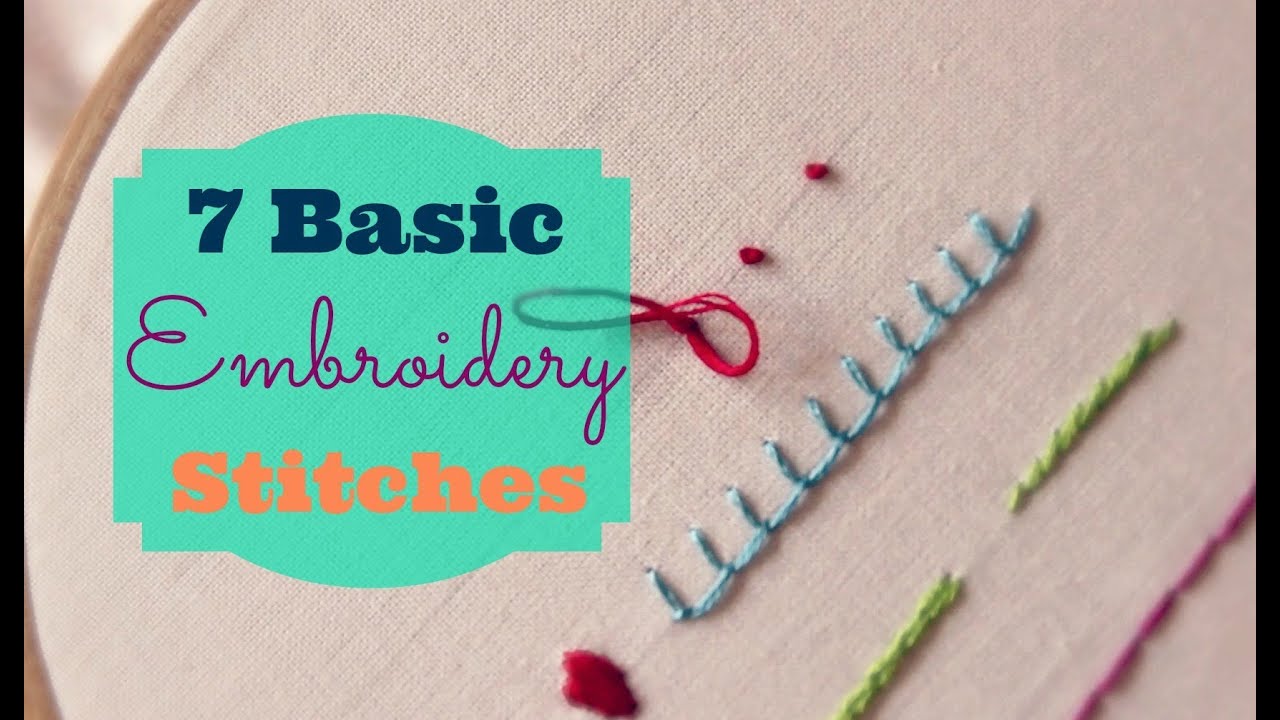
Hand sewing is a useful skill that many people lack, but it’s also easy to learn. Learning how to sew Gnome Crafting by hand will empower you to make basic clothing alterations, fix torn fabric, and tackle your own hand-sewn craft projects.
Our tutorial provides the photographic step-by-step process to implement the seven most common basic hand stitches. You’ll also learn when and where to use them.
How to Sew: Tools Needed
Hand-sewing thread or embroidery floss in the appropriate color/type
Hand sewing needle
Fabric
Sharp scissors
Needle threader (if you require one)
STITCH USE: The running baste stitch is useful to temporarily hold two pieces of fabric together. You can also use running baste stitches or basting stitches for hemming clothes, hand-gathering pleats, or sewing basic seams. The running stitch creates a much stronger seam than the running baste stitch, but the latter is much faster to sew.
Running Stitch
STITCH USE: The straight running stitch is the most fundamental of seams. You can adjust the length of each stitch to match your project’s needs. Keep in mind that the shorter each stitch is, the stronger your overall seam will be.
First, place the end of the thread through the eye of the needle and knot your thread at the end. Next, press the tip of your needle on the wrong side of your fabric, and bring the needle up through to the top until the knot touches the back of the fabric.
How to Sew- Whip Stitch
The whip stitch is a simple and satisfying stitch because it’s fast and easy. The short, diagonal stitches are used for hemming things like window treatments because they’re almost invisible when done on a hem.
First, thread your needle and knot the thread at the end. Bring the needle up to the top of the fabric from the underside so the knot is hidden. This stitch is most easily sewn vertically.
Thread your needle and knot – other color
Then, press the tip of your needle into the fabric’s two edges about 1/2″ diagonally above-right your original exit point. Then aim your needle, from the underside of the fabric, about 1/2” above-left (back to the original fabric hem).
 Site Title
Leave a comment